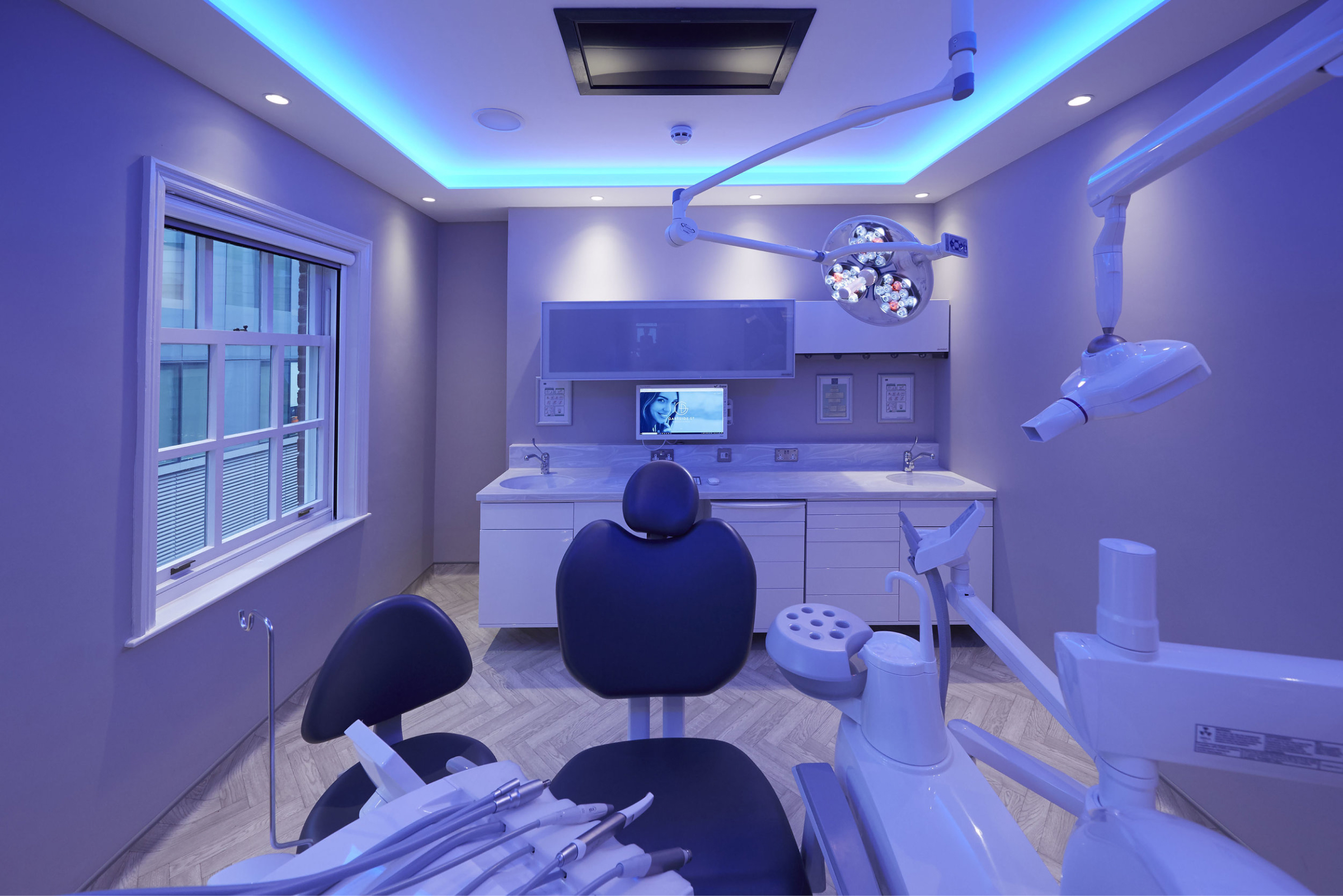
Sometimes the kindest thing for your mouth is removing a tooth that cannot be saved. At Gartside Street Dental Lounge in Spinningfields, extractions are gentle, unhurried and fully explained — with sedation available for nervous patients and a clear plan for what happens to the gap afterwards.
When Is an Extraction the Right Call?
We always try to save a tooth first — a root canal or crown can rescue teeth that look beyond hope. Extraction becomes the right choice when decay or a fracture reaches too far below the gum, when advanced gum disease has loosened the tooth, when wisdom teeth are impacted and repeatedly infected, or occasionally to create space before orthodontic treatment. If you are in pain right now, our emergency dentist can usually see you the same day.
Types of Extraction and Pricing
A routine extraction (from £189) removes a fully visible tooth under local anaesthetic in 20–40 minutes. A complex extraction (from £250) involves teeth that are heavily broken down or have curved roots. A surgical or wisdom tooth extraction (from £350) is needed when a tooth is partly covered by gum or bone. If dental anxiety is the bigger obstacle, sedation is available from £295 — you stay conscious but deeply relaxed throughout.
Recovery and Aftercare
Most patients are comfortable again within a few days. We send you home with clear written aftercare: bite on gauze for the first hour, avoid rinsing for 24 hours so the healing clot stays put, stick to soft foods, and skip alcohol and smoking while the socket heals. Mild swelling peaking around 48 hours is normal; we are a phone call away if anything feels wrong.
What Happens to the Gap?
Apart from wisdom teeth, a gap left alone lets neighbouring teeth drift and the jawbone shrink — so we plan the replacement before we remove the tooth. Depending on the site, your options are a dental implant (the closest thing to a natural tooth), a bridge, or a partial denture. We will talk you through the trade-offs and costs honestly before you decide anything.
Frequently Asked Questions
Does a tooth extraction hurt?
The area is numbed with local anaesthetic before the extraction, so you should not feel pain during the procedure. You may feel some pressure. After the anaesthetic wears off, mild discomfort is normal and can be managed with over-the-counter painkillers.
How long does recovery take after an extraction?
Most patients recover within a few days. Swelling and mild discomfort usually peak around 48 hours after the procedure and gradually improve. We provide detailed aftercare instructions to support a smooth recovery.
What should I eat after a tooth extraction?
Stick to soft foods such as soup, yoghurt, and mashed potato for the first few days. Avoid hot drinks, alcohol, and hard or crunchy foods until the area has healed.
When is a tooth extraction necessary?
Extraction may be needed when a tooth is severely decayed or damaged beyond repair, impacted wisdom teeth are causing problems, or teeth need to be removed to make space for orthodontic treatment.
What are my options for replacing an extracted tooth?
Depending on the location and your needs, replacement options include dental implants, bridges, or dentures. We will discuss the best options for you during your appointment.
How long does the extraction procedure take?
A straightforward extraction typically takes 20 to 40 minutes. More complex cases, such as impacted wisdom teeth, may take longer. We will give you a clear idea of what to expect before the procedure.
Why Choose Gartside Street Dental for Your Extraction?
Nobody looks forward to an extraction, so we remove every avoidable stress: honest advice on whether the tooth can be saved, transparent pricing on our fee guide, sedation for anxious patients, and a same-dentist follow-up to check healing. Calm, gentle and two minutes from Deansgate-Castlefield.