At Gartside Street Dental Lounge in Manchester city centre, our clinicians share practical guidance to help you make confident treatment decisions.
A meaningful proportion of UK adults have not seen a dentist in five, ten, fifteen, or even twenty years. The reason is almost never laziness. It is usually a tangled combination of anxiety from a bad past experience, embarrassment about how things look or feel now, fear of cost, fear of being lectured, and the slow drift of "I’ll book next month" repeated over and over until five years have passed and the booking feels even harder. This post is for anyone in that position. No judgement, no lecture, no pressure — just an honest description of what actually happens when you finally come back, and what we tend to find.
The first and most important reassurance is this: we have seen everything. Properly. Whatever you are imagining your mouth looks like to a clinician, the chances are very high that we have seen the same thing many times before. There is nothing about an unattended mouth that surprises a dentist who has been practising for more than a few years, and there is no element of "performance" to a first appointment. We are not grading you. We are just looking.
The cycle is what makes long absences self-perpetuating. The longer you put it off, the bigger the worry feels. The bigger the worry feels, the harder it becomes to pick up the phone. The harder it becomes to pick up the phone, the more time passes. The more time passes, the more you assume the problems must have grown — sometimes correctly, often more than the reality. Breaking that loop is the genuinely difficult part of the journey. Almost everything on the other side of the first appointment is more manageable than the anticipation suggests.
What does the comeback appointment actually look like at our practice? It begins with a conversation, not a clinical exam. We talk about your worries, your history, what you would like to address, and what you are hoping to avoid. Then we have a look in your mouth. We will usually take some X-rays, because clinical examination alone misses early problems between teeth. We then talk through what we found, in plain English, and produce a written plan with costs and timing options. We do not perform any treatment that day unless you specifically ask us to. The first visit is an information visit.
The honest distribution of what we find. A small minority of patients arrive in genuine crisis — multiple abscesses, severe periodontal disease, several teeth that cannot be saved. These cases get the most airtime on television, but they are the minority, not the rule. The majority of patients who have not been in years arrive with: two to five cavities of varying sizes, plaque and tartar buildup, gum inflammation that responds well to hygiene treatment, possibly one or two failed previous fillings or crowns, possibly mild-to-moderate gum disease. The picture is usually less dramatic than the patient feared.
The good news embedded in the data is that most teeth still in your mouth, even after long absences, are saveable with current dentistry. Modern materials, techniques, and microscopy let us treat decay and gum disease that would have meant extractions a generation ago. Composite restorations, root canals, periodontal therapy, ceramic onlays, and conservative crowns mean that the bar for "this tooth cannot be saved" is much higher than it used to be.
The plan after the assessment is staged in priority order. First, anything causing pain or active infection — fix immediately, because untreated infection only gets worse. Second, anything that will quickly become urgent if left — soon, but not necessarily this week. Third, gum disease management — usually alongside everything else, with hygiene visits scheduled to clean up plaque and tartar. Fourth, the rest, paced over months. We do not need to do everything in a fortnight. A staged plan over twelve to twenty-four months is normal and entirely reasonable.
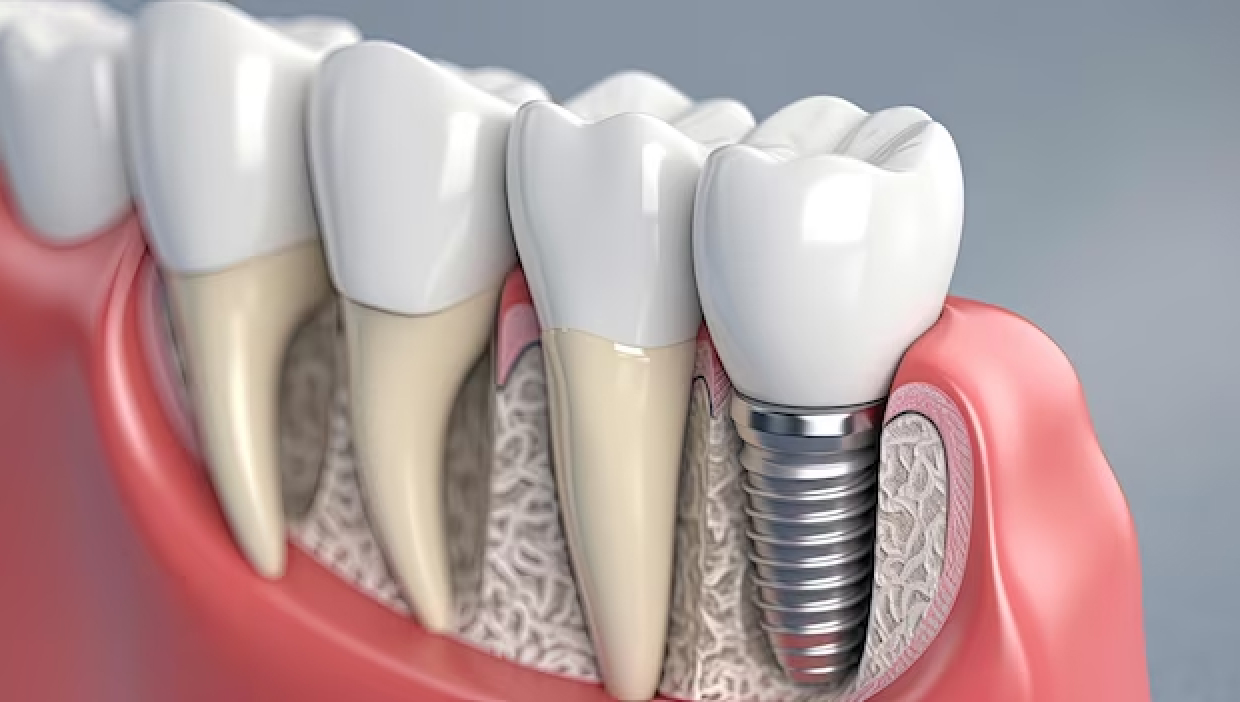
Why earlier is genuinely cheaper. Untreated decay grows. A small filling caught at year zero might be £150 to £250. The same untreated cavity at year five often needs root canal treatment and a crown, in the £1,500 to £2,500 range. The same untreated cavity at year ten may need extraction and replacement with an implant, in the £2,500 to £3,500 range. The economics of dental procrastination are punishing in one direction. Coming back, even after a decade, is the cheaper path forward from where you are now.
If you are scared of pain, modern dentistry is meaningfully less painful than the version most people remember. Topical anaesthetic gels before injections, slow-flow anaesthetic delivery, sharper finer needles, and sedation options for those who want them have changed the experience substantially. Our guide to pain in modern dentistry goes through this procedure by procedure. If you are scared of being judged, you will not be. There is genuinely nothing you can show us that we have not seen many times before. Many of our regular check-up patients started with a years-long gap. We do not comment on the gap, only on what we can do from here. The team will not raise an eyebrow at the receptionist desk; they have been there too.
If you are scared of the cost, be honest about your budget at the consultation. We will tell you which treatments are urgent and which can wait, suggest a sequence that fits your finances, explain the monthly finance options available through Tabeo, and never push treatment that is not clinically needed. There is almost always a way to pace treatment so that no single month is unaffordable.
If you are anxious or genuinely phobic about being in a dental chair, please tell us at booking. We will allow extra time, structure the visit around what you can manage, and you can have a consult-only first visit with no clinical work performed. Sedation — both oral and IV — is available if you want it. Our guide to nervous patient care covers exactly what we offer. Practical preparation that helps. Write down your worries before the appointment, including any specific things you remember — a tooth that hurts at the back, a chip you noticed in the mirror, a filling that fell out three years ago, a previous bad experience that still bothers you. Hand the list to the receptionist or dentist at the start of the visit. It takes the pressure off remembering everything on the day, and it lets us cover what matters most to you without you having to articulate it under stress.
There is a hidden upside that most patients describe within a few months of coming back. The relief of having faced the thing they were dreading, combined with whatever clinical improvements we have made, often produces a noticeable lift in mood and confidence. People smile more, take photos again, eat foods they had quietly stopped eating. The dentistry is part of it; the relief is at least as much of it.
If you have been postponing, today is the day. The first visit is the hardest part of the entire process, and almost everything afterwards is easier than you are imagining. Book a new-patient consultation and put "I haven't been in a long time" in the booking notes. We will block out extra time, and there is no pressure to commit to any treatment on the day. Ready to Transform Your Smile?
Take the first step towards your dream smile. Book a free consultation with our expert team at our Manchester clinic and discover how we can help you achieve the confidence you deserve.