At Gartside Street Dental Lounge in Manchester city centre, our clinicians share practical guidance to help you make confident treatment decisions.
Dental tourism, and particularly the trend of travelling to Turkey for cosmetic dentistry, has grown rapidly over the last few years. Social media is full of dramatic before-and-after smiles, package prices look extraordinary compared to UK private dentistry, and the marketing is slick. Many of the patients walking into our Manchester practice are either considering it, have already booked it, or are returning from it with questions. We are not anti-Turkey, and we are not against patients exercising choice over their own care. What we are against is patients making this particular decision without a clear, plain-English explanation of what is usually involved and what the long-term picture tends to look like. This is that explanation.
The trend exploded for understandable reasons. UK private cosmetic dentistry is genuinely expensive: a single hand-crafted porcelain veneer typically costs £750 to £1,200, so a six-veneer smile makeover sits in the £4,500 to £7,200 range. Overseas clinics often advertise full-mouth packages of sixteen to twenty-eight crowns for £3,000 to £5,000 all-in, sometimes including hotel and flights. Add Instagram-friendly white smiles to the marketing and you have the conditions for a rapid trend.
The first thing to understand clearly is what "Turkey teeth" usually means in practice. The vast majority of patients we see returning from these trips have had full-arch zirconia crowns — typically sixteen, twenty, or in some cases all twenty-eight teeth crowned. The teeth are prepared aggressively beforehand, often reduced to small "pegs" that can no longer hold anything other than another crown. The marketing word used is sometimes "veneers," but the procedure performed is almost always crowns. The two are clinically very different.
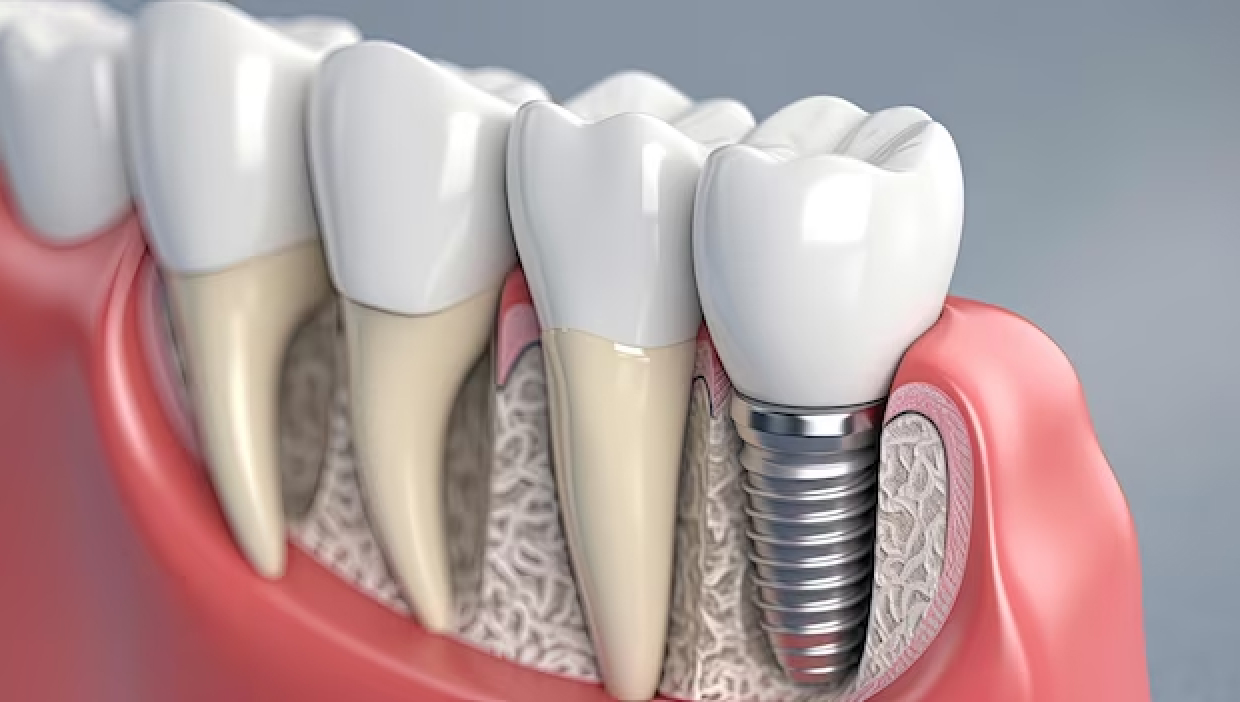
A veneer involves removing roughly half a millimetre of enamel from the front and edge of the tooth, leaving the underlying tooth structure largely intact. A crown involves reducing the entire tooth all the way around by one to two millimetres, often well into the dentine, and capping the remaining tooth with a manufactured shell. The change from a tooth to a crown is irreversible: once the tooth has been reduced to a peg, it must be crowned forever. There is no path back to the original tooth, and replacing the crown later involves further preparation, not less.
Why is so much preparation done abroad when UK private dentists usually achieve cosmetic transformations with veneers, bonding, or whitening? Aggressive preparation is faster, allows a complete colour change without bleaching first, and produces a more uniform-looking result with less individual artistry per tooth. From a high-volume clinic’s perspective it is the more efficient route. From the patient’s perspective it sacrifices a substantial amount of healthy tooth structure that cannot be recovered.
The problems we see when patients return cluster around several themes. The first is pulp death. When a healthy tooth is prepared down by one to two millimetres under high-speed drilling, the nerve inside the tooth is heated, traumatised, and sometimes irreversibly damaged. A percentage of these teeth — figures vary in the literature but somewhere between five and twenty per cent over a few years — will eventually require root canal treatment through the new crown. The first sign is often a deep ache months after treatment.
The second cluster of problems is at the margins. A crown sits where the tooth meets the gum, and if the fit is imperfect or if cement is not cleaned properly, plaque accumulates at that interface. Over time the gum recedes and decay can creep underneath the crown, where it is harder to detect and harder to treat. The third cluster is occlusion — the bite. Replacing twenty-eight teeth simultaneously requires precise control of how the upper and lower teeth meet. Get it wrong and the patient develops jaw pain, headaches, or fractured crowns within months.
The fourth cluster is aesthetic. Patients sometimes return delighted, sometimes return unhappy with a colour that looks too white, teeth that look too uniform or too "fake," or proportions that do not suit their face. Aesthetic concerns are difficult to remedy after the fact because the underlying teeth have already been heavily prepared. The options become limited to replacing the crowns again, with another fee.
The deeper structural risk is the follow-up gap. Almost every piece of major dentistry has a year or two of settling: small adjustments, a margin to refine, an occlusion to balance, sometimes a single crown to remake. With UK treatment, that follow-up is included or easily arranged. With overseas treatment, you have flown home. When something goes wrong at month eighteen — a crown loosens, a tooth goes dark, a margin starts to leak — flying back is expensive and may not be possible. UK dentists are then often asked to intervene, and rebuilding aggressively-prepared teeth is more expensive and less predictable than the original work would have been.
There is also a regulatory and indemnity dimension worth understanding. UK dentists are individually registered with the General Dental Council and bound by professional standards, with mandatory indemnity insurance covering the treatment they have provided. If something goes wrong, there is a clear complaints and redress pathway. Overseas regulation varies. Turkey has a national dental association and standards for licensed practitioners, but the practical recourse for a foreign patient with a problem at year five — when the original clinic may not respond, or may have closed — is very limited.
There are genuinely good Turkish clinics. We are not pretending otherwise. The difficulty is that finding them from the UK without a personal recommendation is hard, and the marketing of the bad clinics is indistinguishable from the marketing of the good ones. The financial incentive of high-volume clinics tends to align with crowning rather than minimally invasive options, regardless of whether crowns are clinically appropriate for the individual case.
Honest cost comparison matters here. A six-veneer UK smile makeover at £4,500 to £7,200 looks expensive next to a Turkey full-mouth package at £3,000 to £5,000. But the comparison is not apples to apples. Six veneers is a small, reversible-ish, conservative cosmetic intervention. A full-mouth crowning is a large, irreversible, structural intervention that carries a meaningful probability of needing root canals or remakes within ten to fifteen years. Lifetime cost, when problems surface, is often higher than the UK route. UK finance options through Tabeo or similar services can also spread the cost over months or years.
The conservative ladder we use with cosmetic patients in Manchester runs roughly: professional whitening first, then composite bonding for shape changes, then porcelain veneers if needed, then crowns only when teeth are heavily damaged or already root-canalled. Many patients who arrive thinking they need sixteen crowns leave with a plan for whitening and a few veneers. The result is usually more natural-looking, less invasive, and longer-lasting. If you are seriously considering treatment abroad, our advice is straightforward. Get a written treatment plan in advance specifying exactly which teeth, exactly what type of restoration, exactly how much preparation in millimetres, exactly what materials, exactly what warranty, and exactly what follow-up arrangements exist. Read it carefully. Get a second opinion in the UK before you fly. Ask the question: "could I achieve a similar cosmetic result with bonding or veneers, conservatively, at home?" If the answer is yes, the long-term picture usually favours the conservative route, even at higher upfront cost.
A note for patients who have already had treatment abroad. We see plenty of patients who are happy with the work they had, sometimes for years. We also see patients with problems within eighteen months. We do not judge or lecture either way. We will simply assess what you have, identify any clinical issues honestly, and explain a sensible maintenance plan for the long term. The goal is to make whatever you have last as well as possible.
If you are weighing up dental tourism and want a UK-based assessment first, we are happy to give you a written plan with costs for what we would recommend at our practice, so you can compare apples to apples before deciding. Book a consultation and bring any quotes you have already received — we will talk you through them honestly.